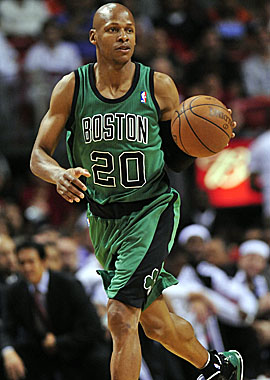
The NBA canceled the remainder of the preseason today and will wipe out the first two weeks of the regular season if there is no labor agreement by Monday.
“We were not able to make the progress that we hoped we could make, and we were not able to continue the negotiations,” commissioner David Stern said after nearly fours of talks between owners and players ended without gaining ground on a new deal.
No further meetings are scheduled, making it even more likely the league will lose games to cheap jerseys china a work stoppage for the first time since 1998-99, when the season was reduced to 50 games.
Stern and deputy commissioner Adam Silver said owners offered players a 50-50 split of basketball-related income. That’s below the 57% that players were guaranteed under the previous collective bargaining agreement, but more than the 47% union officials said was proposed to them.
The only numbers that matter now, however, are the millions that stand to be lost when arenas go dark.
“The damage will be enormous,” Silver said.
Players had offered to reduce their BRI guarantee to 53%, which they said would have given owners back more than $1 billion over six years. They say they won’t cut it further, at least for now.
“Today was not the day for us to get this done,” players’ association president Derek Fisher said. “We were not able to get close enough to close the gap.”
Detroit Pistons guard Ben Gordon was in New York along with players such as Kobe Bryant, Paul Pierce and Kevin Garnett.
Union executive director Billy Hunter said the players’ proposal would have made up at least $200million per season — a sizable chunk of the $300million owners said they lost last season.
“Our guys have indicated a willingness to lose games,” Hunter said.
The sides are also still divided on the salary-cap structure.
2011年10月5日星期三
2011年4月10日星期日
While Miami shows maturity, Boston drops deeper into its funk
When the Heat celebrated the formation of their supposed championship team back in July, the Celtics took note. It was Boston that had knocked both LeBron James and Dwyane Wade out of last year's playoffs. It was the Celtics who had experienced the real triumphs and disappointments of June, when champions are made.
Now, through the prism of 80 games in an 82-game prelude to the playoffs, the Heat finally achieved something Sunday -- and wanted no part of taking bows. In the days before the showdown for the No. 2 seed in the Eastern Conference playoffs, James had called it a "statement game," which Celtics coach Doc Rivers dismissed Sunday as "crap." But when it was over, when the Heat were finished running the defending Eastern Conference champs out of the building in an utterly dominant 100-77 victory, there wasn't even the hint of a celebration.
"It's a regular-season game," Wade said. "We won the game and we move on."
The Heat have things backward, celebrating when they shouldn't and keeping quiet when they should speak up. From the looks of things heading into a potential second-round matchup with the Celtics, the Heat have much more than home-court advantage locked up -- provided they don't stumble in their final two games, at Atlanta and at Toronto. Like the Bulls, whose core still remains from an epic, seven-game loss to Boston in the first round two years ago, the Heat have managed to turn the tables on the proud former champions in green. In the waning days of a regular season that is supposed to be the beginning of basketball season in Boston, the Heat and Bulls have managed to make it feel like the end.
"They're good," Rivers said outside the visiting locker room. "We knew they were going to be good before the year. But we'd like to play them, I can tell you that. And we may have to if we want to go somewhere."
It has become harder and harder to discern where the Celtics are going, unless your answer is, "Nowhere fast." The beating the Heat inflicted on the Celtics Sunday was even more resounding and thorough than the one Derrick Rose and the Bulls put on them Friday night in Chicago. In large part, that can be attributed to the way the Heat are playing now -- fearlessly attacking the rim with their two otherworldly talents, James and Wade, and doing the support work around them that championship teams do. The result was startling, truly startling, coming against a Celtics team that has built a four-year run of superiority on defense, rebounding, and a hard-to-defend, hard-screening offense.
The story was told in numbers -- and in ferocity. Miami dominated the boards with a 15-3 advantage in offensive rebounds, resulting in an 18-3 edge in second-chance points. The Heat, whose weakness all season has been on the interior, outscored the Celtics 44-26 in the paint. Miami's bench, another Achilles' heel, outscored Boston's reserves 32-12.
Then there were perhaps the most important numbers of the afternoon, the zeroes next to Jermaine O'Neal's name: 0 points and 0 rebounds in 14 minutes from Boston's starting center. O'Neal's only contribution was leading with his shoulder on a flagrant foul as James drove to the basket in the second quarter, resulting in pushing, shoving, hurt feelings and three technicals.
"We're not backing down from nobody, and I don't think they are either," James said. "It's a man's game. When you feel like it gets out of control with a foul or a play, you react sometimes."
This is how fast things change in the NBA: The team that couldn't beat Boston, and seemingly never would, suddenly has the Celtics right where they want them heading into the playoffs. Things could change again, of course. The Celtics, who were a .500 team after Christmas last season, could wind up right where they were last June -- 12 minutes away from winning a title.
Or not. Sometimes when you try to flip the switch, nothing happens.
"That's not who we are this year," Rivers said.
And as it turns out, the Heat were right about their struggles against Boston in the three previous regular season meetings, all won by the Celtics, being on them. They promised anyone who would listen in the days leading up to this game that they were a different team. They certainly are, and proved it on the floor.
But something else will become apparent if and when they meet in the playoffs: The Celtics are different, too. It is beyond obvious at this point, and it's getting close to time to panic.
The two key problems cited by Rivers in his postgame interview -- confusion and finger-pointing on defense and poor screen-setting on offense -- pointed to one culprit. That culprit, that answer, can be found patrolling the paint in Oklahoma City.
Kendrick Perkins was the glue that held the defense together, attached at the hip with Kevin Garnett as they moved in tandem and barked instructions to their teammates. That voice is gone, and that presence isn't coming back.
The Celtics' offense? One thing you always knew when you played the Celtics was that you were going to get drilled a half-dozen times on filthy screens by Perkins -- some of them moving, all of them solid and many of them creating the space needed for Paul Pierce and/or Ray Allen to do what they've done throughout Boston's run of dominance.
Allen, who'd ruled his matchup with Wade in the three previous meetings, couldn't get a clean look at a 3-point attempt all afternoon. The Celtics had only one 20-point quarter, and were held under 90 points for the 11th time in 20 games.
"Offensively, we've been in this rut," Allen said.
When it's a quarter here, a letdown there, it's a rut. When it encompasses a quarter of your season, it's a trend.
"Perkins brought a certain element to that team, and it's not there anymore," said Miami's Chris Bosh, who had lost 13 of his last 14 games against the Celtics dating back to March 2007.
The question Rivers left the arena asking himself Sunday night was, How do we get it back? He tried one guy named O'Neal on Sunday, and that didn't work. Up next in the starting center role could be Nenad Krstic, but Rivers hasn't even decided if he'll play all his regulars or rest them in the final two games.
The other guy named O'Neal -- as in Shaq? Rivers isn't delusional enough to count on that fool's gold either.
"I don't know," Rivers said. "I don't know if it's fool's gold, but I don't know what it is because I don't know the answer."
Answers are in very short supply for the Celtics, at the wrong time of year.
Now, through the prism of 80 games in an 82-game prelude to the playoffs, the Heat finally achieved something Sunday -- and wanted no part of taking bows. In the days before the showdown for the No. 2 seed in the Eastern Conference playoffs, James had called it a "statement game," which Celtics coach Doc Rivers dismissed Sunday as "crap." But when it was over, when the Heat were finished running the defending Eastern Conference champs out of the building in an utterly dominant 100-77 victory, there wasn't even the hint of a celebration.
"It's a regular-season game," Wade said. "We won the game and we move on."
The Heat have things backward, celebrating when they shouldn't and keeping quiet when they should speak up. From the looks of things heading into a potential second-round matchup with the Celtics, the Heat have much more than home-court advantage locked up -- provided they don't stumble in their final two games, at Atlanta and at Toronto. Like the Bulls, whose core still remains from an epic, seven-game loss to Boston in the first round two years ago, the Heat have managed to turn the tables on the proud former champions in green. In the waning days of a regular season that is supposed to be the beginning of basketball season in Boston, the Heat and Bulls have managed to make it feel like the end.
"They're good," Rivers said outside the visiting locker room. "We knew they were going to be good before the year. But we'd like to play them, I can tell you that. And we may have to if we want to go somewhere."
It has become harder and harder to discern where the Celtics are going, unless your answer is, "Nowhere fast." The beating the Heat inflicted on the Celtics Sunday was even more resounding and thorough than the one Derrick Rose and the Bulls put on them Friday night in Chicago. In large part, that can be attributed to the way the Heat are playing now -- fearlessly attacking the rim with their two otherworldly talents, James and Wade, and doing the support work around them that championship teams do. The result was startling, truly startling, coming against a Celtics team that has built a four-year run of superiority on defense, rebounding, and a hard-to-defend, hard-screening offense.
The story was told in numbers -- and in ferocity. Miami dominated the boards with a 15-3 advantage in offensive rebounds, resulting in an 18-3 edge in second-chance points. The Heat, whose weakness all season has been on the interior, outscored the Celtics 44-26 in the paint. Miami's bench, another Achilles' heel, outscored Boston's reserves 32-12.
Then there were perhaps the most important numbers of the afternoon, the zeroes next to Jermaine O'Neal's name: 0 points and 0 rebounds in 14 minutes from Boston's starting center. O'Neal's only contribution was leading with his shoulder on a flagrant foul as James drove to the basket in the second quarter, resulting in pushing, shoving, hurt feelings and three technicals.
"We're not backing down from nobody, and I don't think they are either," James said. "It's a man's game. When you feel like it gets out of control with a foul or a play, you react sometimes."
This is how fast things change in the NBA: The team that couldn't beat Boston, and seemingly never would, suddenly has the Celtics right where they want them heading into the playoffs. Things could change again, of course. The Celtics, who were a .500 team after Christmas last season, could wind up right where they were last June -- 12 minutes away from winning a title.
Or not. Sometimes when you try to flip the switch, nothing happens.
"That's not who we are this year," Rivers said.
And as it turns out, the Heat were right about their struggles against Boston in the three previous regular season meetings, all won by the Celtics, being on them. They promised anyone who would listen in the days leading up to this game that they were a different team. They certainly are, and proved it on the floor.
But something else will become apparent if and when they meet in the playoffs: The Celtics are different, too. It is beyond obvious at this point, and it's getting close to time to panic.
The two key problems cited by Rivers in his postgame interview -- confusion and finger-pointing on defense and poor screen-setting on offense -- pointed to one culprit. That culprit, that answer, can be found patrolling the paint in Oklahoma City.
Kendrick Perkins was the glue that held the defense together, attached at the hip with Kevin Garnett as they moved in tandem and barked instructions to their teammates. That voice is gone, and that presence isn't coming back.
The Celtics' offense? One thing you always knew when you played the Celtics was that you were going to get drilled a half-dozen times on filthy screens by Perkins -- some of them moving, all of them solid and many of them creating the space needed for Paul Pierce and/or Ray Allen to do what they've done throughout Boston's run of dominance.
Allen, who'd ruled his matchup with Wade in the three previous meetings, couldn't get a clean look at a 3-point attempt all afternoon. The Celtics had only one 20-point quarter, and were held under 90 points for the 11th time in 20 games.
"Offensively, we've been in this rut," Allen said.
When it's a quarter here, a letdown there, it's a rut. When it encompasses a quarter of your season, it's a trend.
"Perkins brought a certain element to that team, and it's not there anymore," said Miami's Chris Bosh, who had lost 13 of his last 14 games against the Celtics dating back to March 2007.
The question Rivers left the arena asking himself Sunday night was, How do we get it back? He tried one guy named O'Neal on Sunday, and that didn't work. Up next in the starting center role could be Nenad Krstic, but Rivers hasn't even decided if he'll play all his regulars or rest them in the final two games.
The other guy named O'Neal -- as in Shaq? Rivers isn't delusional enough to count on that fool's gold either.
"I don't know," Rivers said. "I don't know if it's fool's gold, but I don't know what it is because I don't know the answer."
Answers are in very short supply for the Celtics, at the wrong time of year.
2011年3月27日星期日
Erasing Her Own Doubt, and a Deficit
Lorin Dixon arrived at Connecticut four years ago out of Christ the King High School in Queens with high hopes as a point guard and admittedly low self-assurance. Her career has slapped back and forth like windshield wipers between confidence and self-doubt.
Then, a month ago, the imminent ending of her career brought clarity and resolve. “You either do it now or you ain’t going to get a chance,” Dixon said the other day. “So why not? You have nothing to lose.”
She is only 5 feet 4 inches, the smallest player on UConn’s roster, but on Sunday, Dixon had the biggest impact on a 68-63 victory over Georgetown in the semifinals of the Philadelphia Region. It was a wild come-from-behind win, foiling what would have been one of the biggest upsets in women’s N.C.A.A. tournament history and demonstrating the Huskies’ fierce determination to prevail.
Top-seeded UConn (35-1) will now face second-seeded Duke (32-3) in the regional final Tuesday for a chance to reach the Final Four and win a third consecutive national championship. But that opportunity would have evaporated Sunday if not for Dixon’s poise, quickness, defense and recovered self-belief.
With 9 minutes 36 seconds remaining, Georgetown led, 53-46. The Hoyas (24-11) were facing the Huskies for the third time since Feb. 26. They had no fear of their Big East opponents and had apparent mastery, with tall and lean and mobile players, 10 3-point shots, an unnerving trap defense and a vibrant zone that kept UConn flailing from the perimeter on a 24-for-62 afternoon.
Dixon, UConn’s only substitute, had entered the game nearly four minutes earlier with no immediate impact. But with 11:13 remaining, Coach Geno Auriemma made a game-altering decision.
At the urging of an assistant coach, he sent the freshman point guard Bria Hartley back onto the floor and removed the 6-5 freshman center Stefanie Dolson, who grabbed 13 rebounds but struggled to touch the ball inside Georgetown’s zone and could not contain Tia Magee, a quicker and more nimble forward.
This left UConn with Maya Moore at center and no player taller than 6 feet. Disaster might have followed. Instead, the Huskies went on a 13-0 run to take an inexorable 59-53 lead. They were propelled by Dixon, whose rescuing finish left her with 4 points, 4 assists, 4 steals, 2 rebounds and the most important contribution of her largely uncertain but suddenly invigorated career.
“Dixon hasn’t been a big-time player, but she was their spark,” Georgetown Coach Terri Williams-Flournoy said.
With her speed and energy, Dixon solved Georgetown’s trap, allowed UConn to use a rare and extended 2-3 zone defense, and removed ball-handling pressure from the inexperienced and nervous Hartley. Freed from this responsibility, Hartley floated to the perimeter along with Moore (23 points), and once-faltering shots began to fall for the Huskies.
Dixon pilfered the ball and dropped in a layup, intercepted a pass and delivered an assist to Hartley, stole the ball again and hit a shot from the corner, fell to the floor with a rebound, grabbed another steal. Certain defeat became rousing victory.
“The way Lorin came in and played changed the tone of the game; everything changed,” Auriemma said. “Bria doesn’t have the experience right now to extend UConn offensively or defensively. I thought what Lorin did was unbelievably important.”
She arrived at UConn as a freshman with Moore. Together they have won 2 national titles and 149 games, while losing only three times. But while Moore has been a two-time national player of the year, Dixon has been a reserve, her confidence often puddling on the court like sweat.
“The No. 1 thing a player needs to be successful, especially at Connecticut, is an over-the-top level of confidence, because every day you’re going to be tested whether you’re any good,” Auriemma said.
Dixon seemed tortured by insecurity. Can I play? Can’t I?
“I feel like I kind of held myself back for a while,” Dixon said. “My confidence was a big problem for years. Believing that I can step on the court and do anything, that was a problem. If I had overcome that, I feel I would have accomplished more. But I’m not disappointed in the way I’m going out.”
Once, she tended to pout and mope on the court. Now there is no more room for doubting. Her career will end Tuesday at the earliest, in eight days at the latest. It is time not to worry whether she is good enough, but just to play as if she is.
The change in the last month has been complete and urgent, Auriemma said.
“For whatever reason, I don’t know what the answer is, this last month of her career has been the best I’ve ever seen Lorin Dixon at practice every day, just her whole mind-set, the way she’s carrying herself, what she expects from herself,” he said. “The consistency she has every day, that didn’t exist for three and a half years.”
That it exists now is extremely timely, given that Dixon is UConn’s only reliable player off of a thin bench.
“It may be the difference going forward,” Auriemma said.
On Sunday, by having to rally for a win instead of coasting to victory, UConn learned something about itself, Auriemma said. For Dixon, this journey of self-discovery has been especially long and personal.
“If I can help my team, I’m glad I can do it now,” she said, “when it’s needed most.”
Then, a month ago, the imminent ending of her career brought clarity and resolve. “You either do it now or you ain’t going to get a chance,” Dixon said the other day. “So why not? You have nothing to lose.”
She is only 5 feet 4 inches, the smallest player on UConn’s roster, but on Sunday, Dixon had the biggest impact on a 68-63 victory over Georgetown in the semifinals of the Philadelphia Region. It was a wild come-from-behind win, foiling what would have been one of the biggest upsets in women’s N.C.A.A. tournament history and demonstrating the Huskies’ fierce determination to prevail.
Top-seeded UConn (35-1) will now face second-seeded Duke (32-3) in the regional final Tuesday for a chance to reach the Final Four and win a third consecutive national championship. But that opportunity would have evaporated Sunday if not for Dixon’s poise, quickness, defense and recovered self-belief.
With 9 minutes 36 seconds remaining, Georgetown led, 53-46. The Hoyas (24-11) were facing the Huskies for the third time since Feb. 26. They had no fear of their Big East opponents and had apparent mastery, with tall and lean and mobile players, 10 3-point shots, an unnerving trap defense and a vibrant zone that kept UConn flailing from the perimeter on a 24-for-62 afternoon.
Dixon, UConn’s only substitute, had entered the game nearly four minutes earlier with no immediate impact. But with 11:13 remaining, Coach Geno Auriemma made a game-altering decision.
At the urging of an assistant coach, he sent the freshman point guard Bria Hartley back onto the floor and removed the 6-5 freshman center Stefanie Dolson, who grabbed 13 rebounds but struggled to touch the ball inside Georgetown’s zone and could not contain Tia Magee, a quicker and more nimble forward.
This left UConn with Maya Moore at center and no player taller than 6 feet. Disaster might have followed. Instead, the Huskies went on a 13-0 run to take an inexorable 59-53 lead. They were propelled by Dixon, whose rescuing finish left her with 4 points, 4 assists, 4 steals, 2 rebounds and the most important contribution of her largely uncertain but suddenly invigorated career.
“Dixon hasn’t been a big-time player, but she was their spark,” Georgetown Coach Terri Williams-Flournoy said.
With her speed and energy, Dixon solved Georgetown’s trap, allowed UConn to use a rare and extended 2-3 zone defense, and removed ball-handling pressure from the inexperienced and nervous Hartley. Freed from this responsibility, Hartley floated to the perimeter along with Moore (23 points), and once-faltering shots began to fall for the Huskies.
Dixon pilfered the ball and dropped in a layup, intercepted a pass and delivered an assist to Hartley, stole the ball again and hit a shot from the corner, fell to the floor with a rebound, grabbed another steal. Certain defeat became rousing victory.
“The way Lorin came in and played changed the tone of the game; everything changed,” Auriemma said. “Bria doesn’t have the experience right now to extend UConn offensively or defensively. I thought what Lorin did was unbelievably important.”
She arrived at UConn as a freshman with Moore. Together they have won 2 national titles and 149 games, while losing only three times. But while Moore has been a two-time national player of the year, Dixon has been a reserve, her confidence often puddling on the court like sweat.
“The No. 1 thing a player needs to be successful, especially at Connecticut, is an over-the-top level of confidence, because every day you’re going to be tested whether you’re any good,” Auriemma said.
Dixon seemed tortured by insecurity. Can I play? Can’t I?
“I feel like I kind of held myself back for a while,” Dixon said. “My confidence was a big problem for years. Believing that I can step on the court and do anything, that was a problem. If I had overcome that, I feel I would have accomplished more. But I’m not disappointed in the way I’m going out.”
Once, she tended to pout and mope on the court. Now there is no more room for doubting. Her career will end Tuesday at the earliest, in eight days at the latest. It is time not to worry whether she is good enough, but just to play as if she is.
The change in the last month has been complete and urgent, Auriemma said.
“For whatever reason, I don’t know what the answer is, this last month of her career has been the best I’ve ever seen Lorin Dixon at practice every day, just her whole mind-set, the way she’s carrying herself, what she expects from herself,” he said. “The consistency she has every day, that didn’t exist for three and a half years.”
That it exists now is extremely timely, given that Dixon is UConn’s only reliable player off of a thin bench.
“It may be the difference going forward,” Auriemma said.
On Sunday, by having to rally for a win instead of coasting to victory, UConn learned something about itself, Auriemma said. For Dixon, this journey of self-discovery has been especially long and personal.
“If I can help my team, I’m glad I can do it now,” she said, “when it’s needed most.”
订阅:
博文 (Atom)